


The Many Lives of a Rose
Meigui (Rose) Zhang
Soprano Recital Tour
Overview
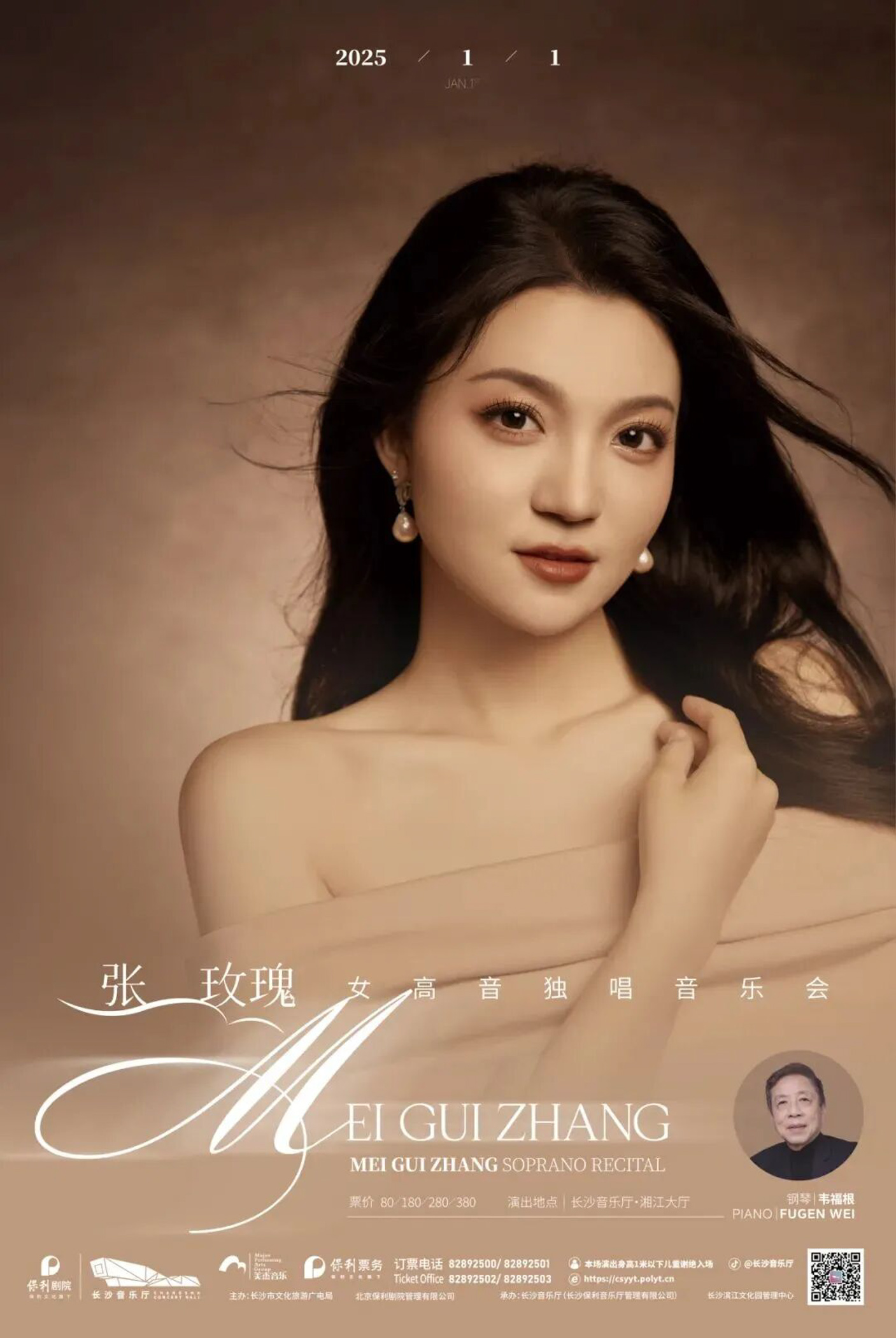
“The Many Lives of a Rose” invites audiences into the many facets of Meigui Zhang’s artistry: opera, mélodie, Lieder, and Chinese art song. A rapidly rising soprano and a signed artist with the Metropolitan Opera, Zhang moves with ease from Mozart’s radiant coloratura to German Lieder’s psychological nuance, French mélodie’s painterly light, Russian romance’s velvet melancholy, and the elegant clarity of 20th-century Chinese song.
Her curatorial idea is simple and disarming: a small-scale, beautiful (小而美) journey across languages and centuries—sung with immediacy, intimacy, and storytelling.
Program
Opening (Mozart)
Alleluja (from Exsultate, jubilate, K.165)
Das Veilchen, K.476
German Lieder (Schubert · Wolf · R. Strauss)
Schubert: Im Frühling, D.882; Gretchen am Spinnrade, D.118
Wolf: Die Kleine
Richard Strauss: Einerlei, Op.69/3; Wie erkenn’ ich mein Treulieb…, Op.67/1; Ständchen, Op.17
French Mélodie (Debussy · Hahn · Gounod)
Debussy: Apparition
Reynaldo Hahn: À Chloris, Fêtes galantes, Le printemps
Gounod: “Je veux vivre” (from Roméo et Juliette)
Russian Art Song
Rachmaninoff: Dreams, Op.38/5
Chinese Art Song (DING Shande)
Sunflower from My Lover
Lovely Little Rose
I Miss My Mom
Song cycle Dianxi Poem Collection (selections: Looking Far Away · Sani Girl · Boat for a Couple · Butterfly Fountain · Camellias)
Opera Postlude
Massenet: “Gavotte” (from Manon)
Shenzhen duet encores (with Wang Chuan, tenor)
Gounod: Duet “Ange adorable” (from Roméo et Juliette)
Donizetti: Duet from L’elisir d’amore (“Caro elisir”)
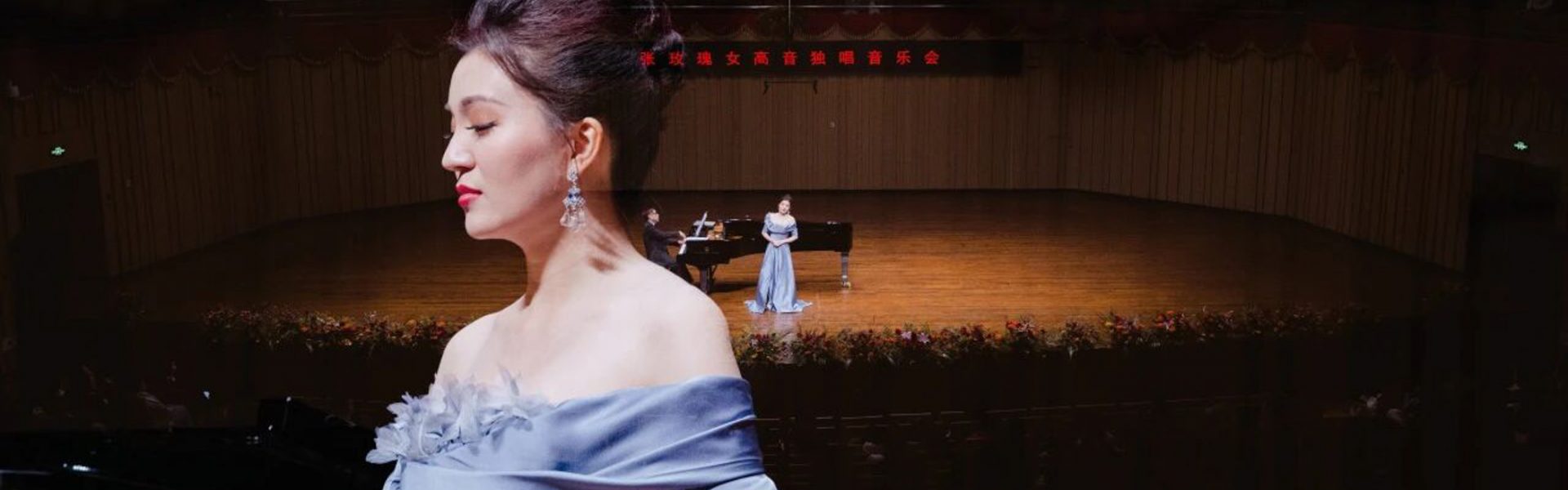
Met Opera soprano Meigui Zhang and pianist Fugen Wei traverse Mozart, Schubert, Wolf, Richard Strauss, Debussy, Hahn, Rachmaninoff, and Ding Shande—culminating in operatic showpieces. A luminous, “small-and-beautiful” journey through languages and styles, with a special duet set (Shenzhen) featuring tenor Wang Chuan.
Gallery
Artist Note
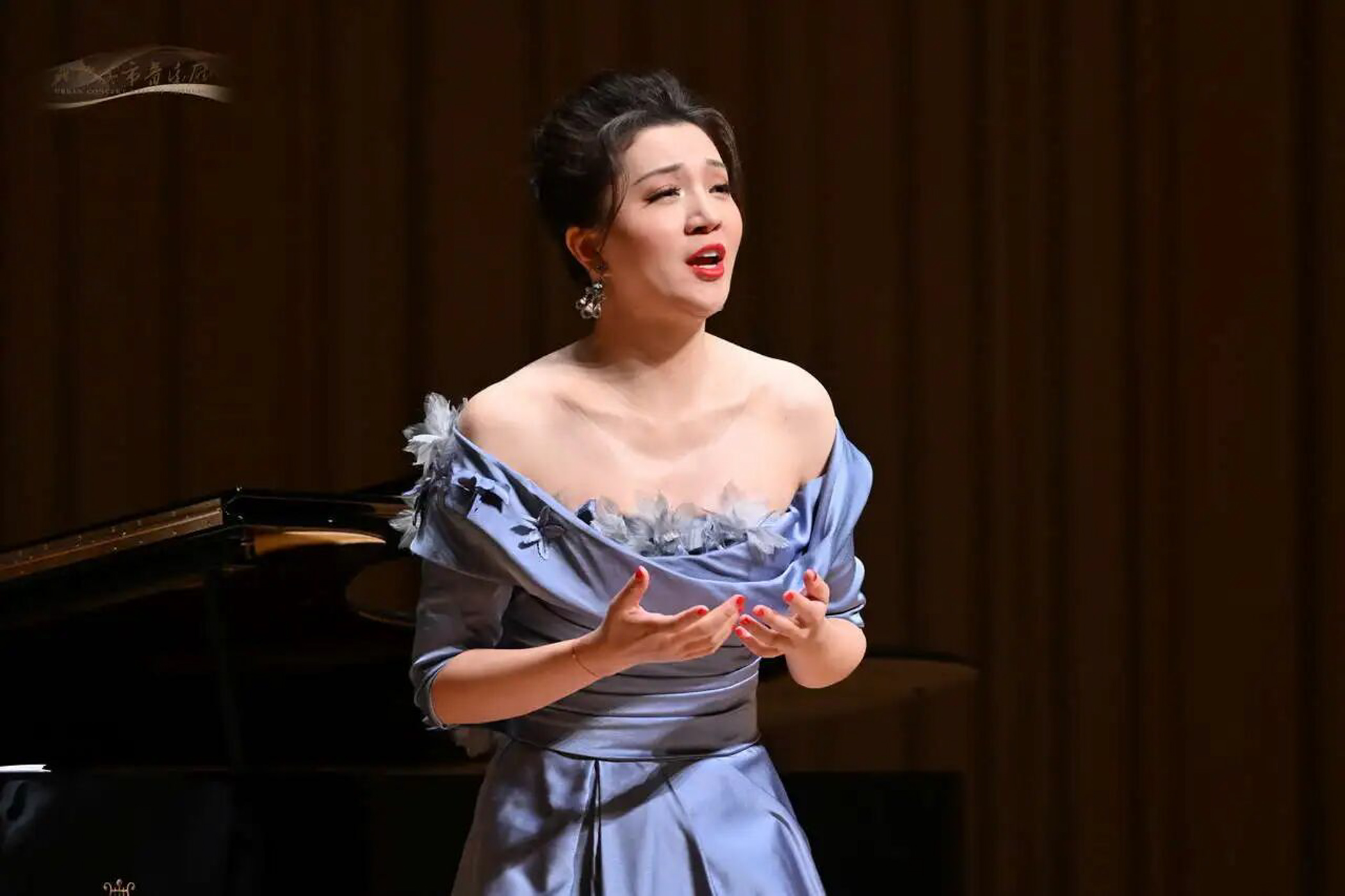
Preparing Lin Daiyu in the opera Dream of the Red Chamber, Meigui Zhang reread the 120-chapter classic, studied gesture and carriage, and even took up guqin—seeking an inner poise that transcends time and culture. As Juliet, she sang from dizzying heights in modern staging, learning the discipline of less gesture, more truth. This tour extends that philosophy to song: the voice as the most direct line to feeling.
Highlights
- A multilingual arc across German, French, Russian, and Chinese repertoire
- Signature coloratura sparkle in Mozart balanced with poetic intimacy in Lieder
- Championing Chinese art song on international stages
- Shenzhen stop features guest tenor Wang Chuan in beloved opera duets