


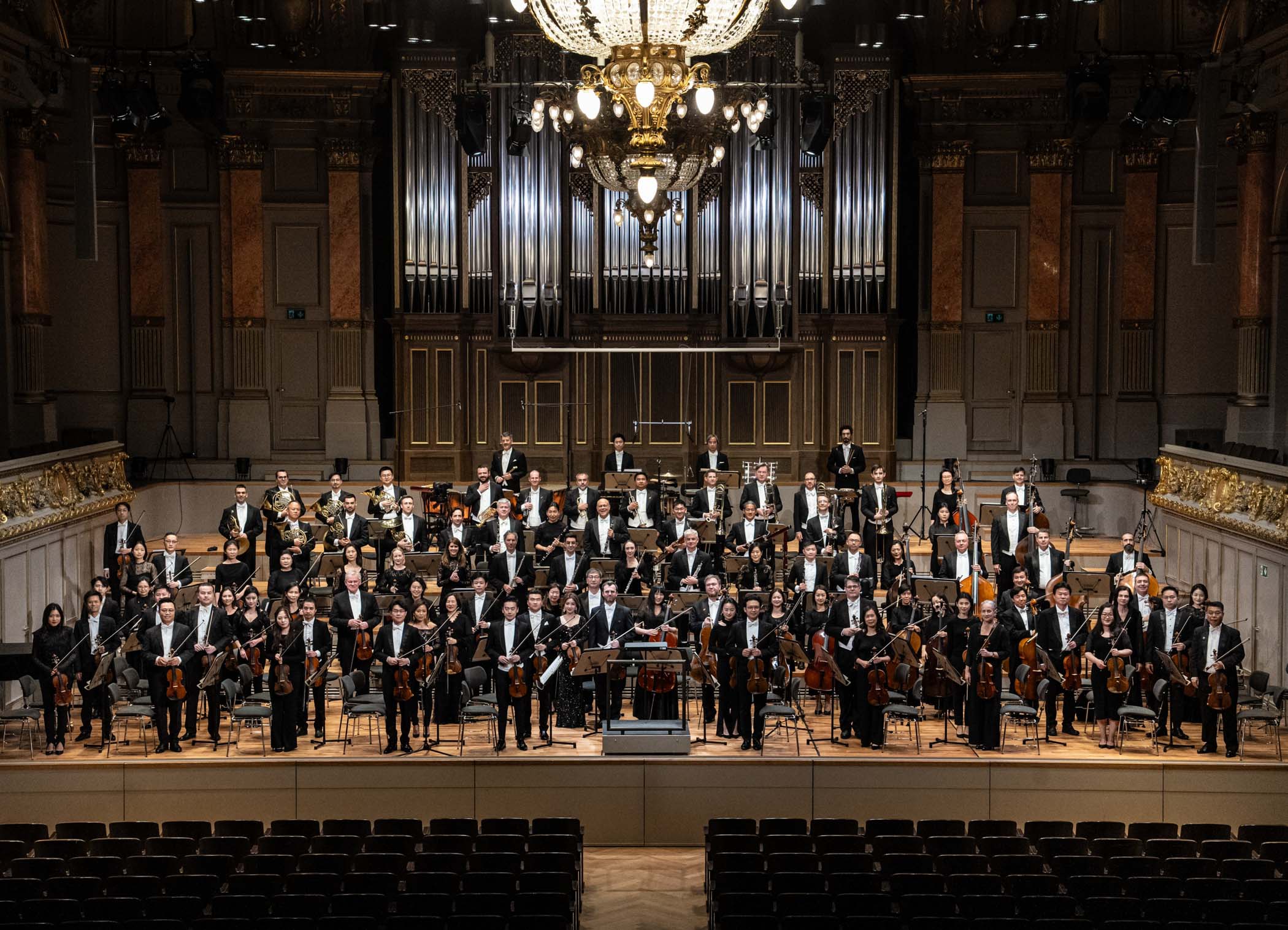
Li-Wei Qin × Hong Kong Philharmonic Orchestra
“Schumann 1 & 2”
Conducted by Hans Graf
January 17–18, 2014 · Hong Kong Cultural Centre Concert Hall
Overview
In this Schumann Festival concert, cellist Li-Wei Qin joined the Hong Kong Philharmonic Orchestra under the baton of Hans Graf, one of today’s most respected Austrian conductors, to present an all-Schumann evening of passion, poetry, and renewal.
Schumann described his First Symphony as being “born in a fiery hour” — a work bursting with the optimism and vitality of spring. In contrast, the Second Symphony, written after a period of depression, expresses determination, struggle, and ultimate redemption. Between these two monumental works stands the Cello Concerto in A Minor, one of Schumann’s most lyrical and introspective creations, performed by Li-Wei Qin with radiant tone and deeply felt expressivity.
Program
Robert Schumann (1810–1856)
Symphony No.1 in B-flat Major, Op.38 “Spring”
Cello Concerto in A Minor, Op.129
Symphony No.2 in C Major, Op.61
Artists
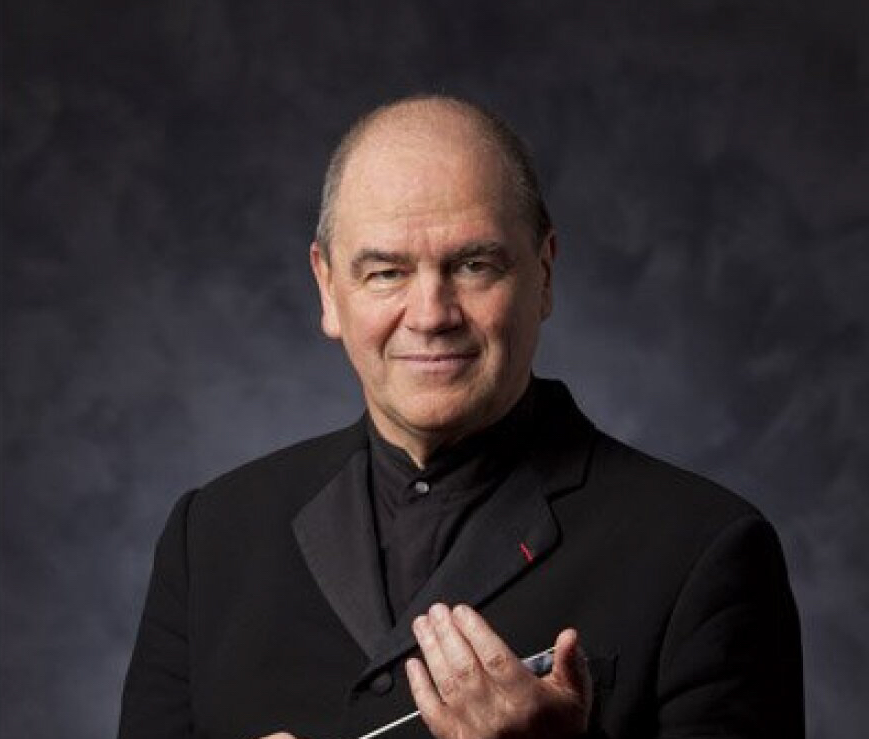
Hans Graf · Conductor
Austrian conductor Hans Graf is widely recognized as one of today’s most esteemed and versatile musicians. Known for his refined interpretations and imaginative programming, he has served as Music Director of the Houston Symphony (2011–2013), Calgary Philharmonic (8 years), Orchestre National Bordeaux Aquitaine (6 years), and Mozarteum Orchestra Salzburg (10 years).
He has received numerous honors, including the Chevalier de l’Ordre de la Légion d’Honneur from the French government and the Grand Decoration of Honour in Gold from the Republic of Austria.
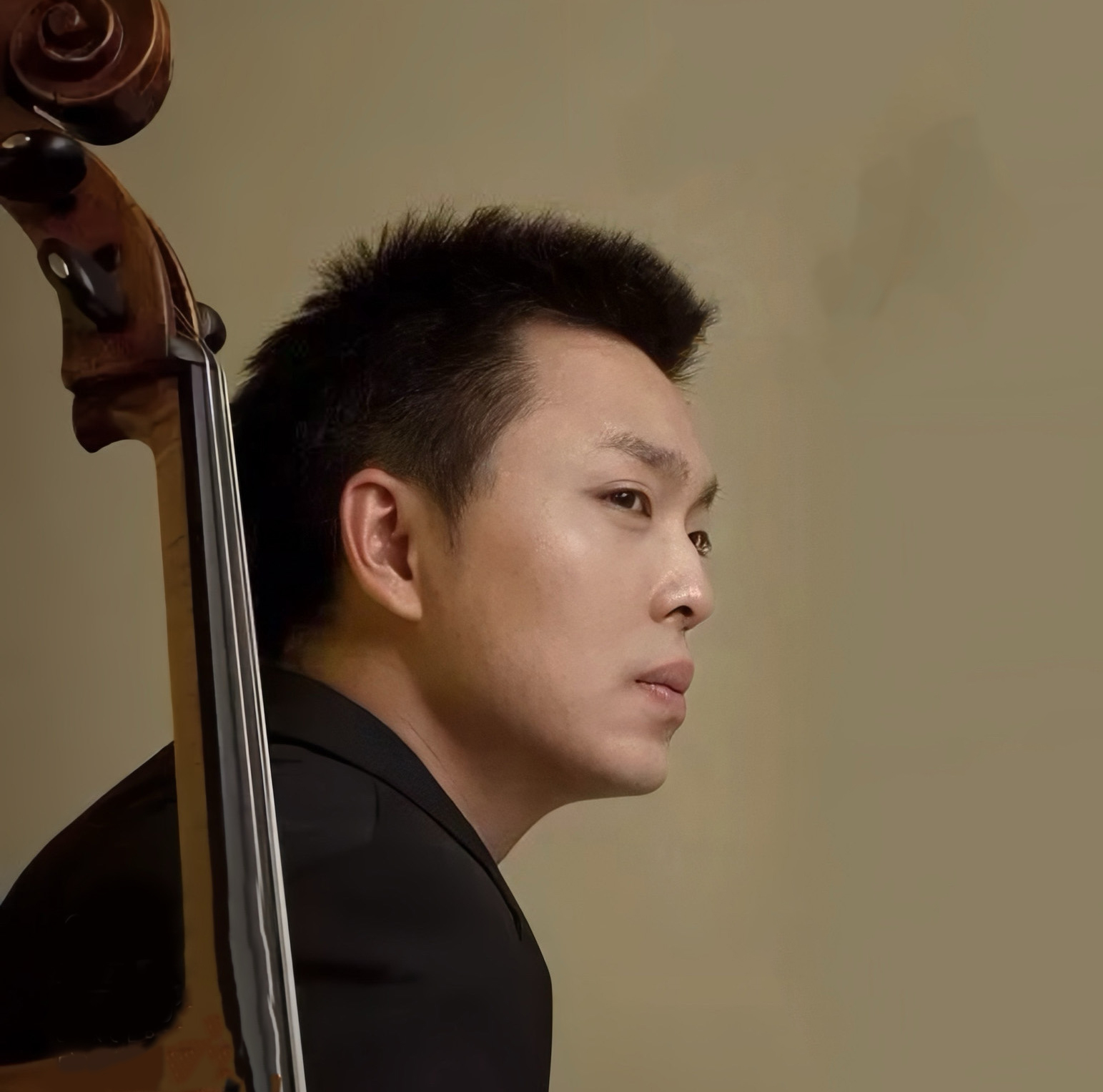
Li-Wei Qin · Cello
Praised by The New York Times for his “ravishingly beautiful tone, flawless intonation, and ironclad technique,” Li-Wei Qin is a laureate of the Tchaikovsky and Naumburg International Competitions.
He has performed with leading orchestras such as the London Symphony, BBC Symphony, Los Angeles Philharmonic, and Singapore Symphony, and records for Decca and Sony Classical.
His interpretation of Schumann’s Cello Concerto has been acclaimed for its emotional purity, warmth, and fluid musical line, revealing the introspective soul at the heart of Schumann’s late Romantic vision.