


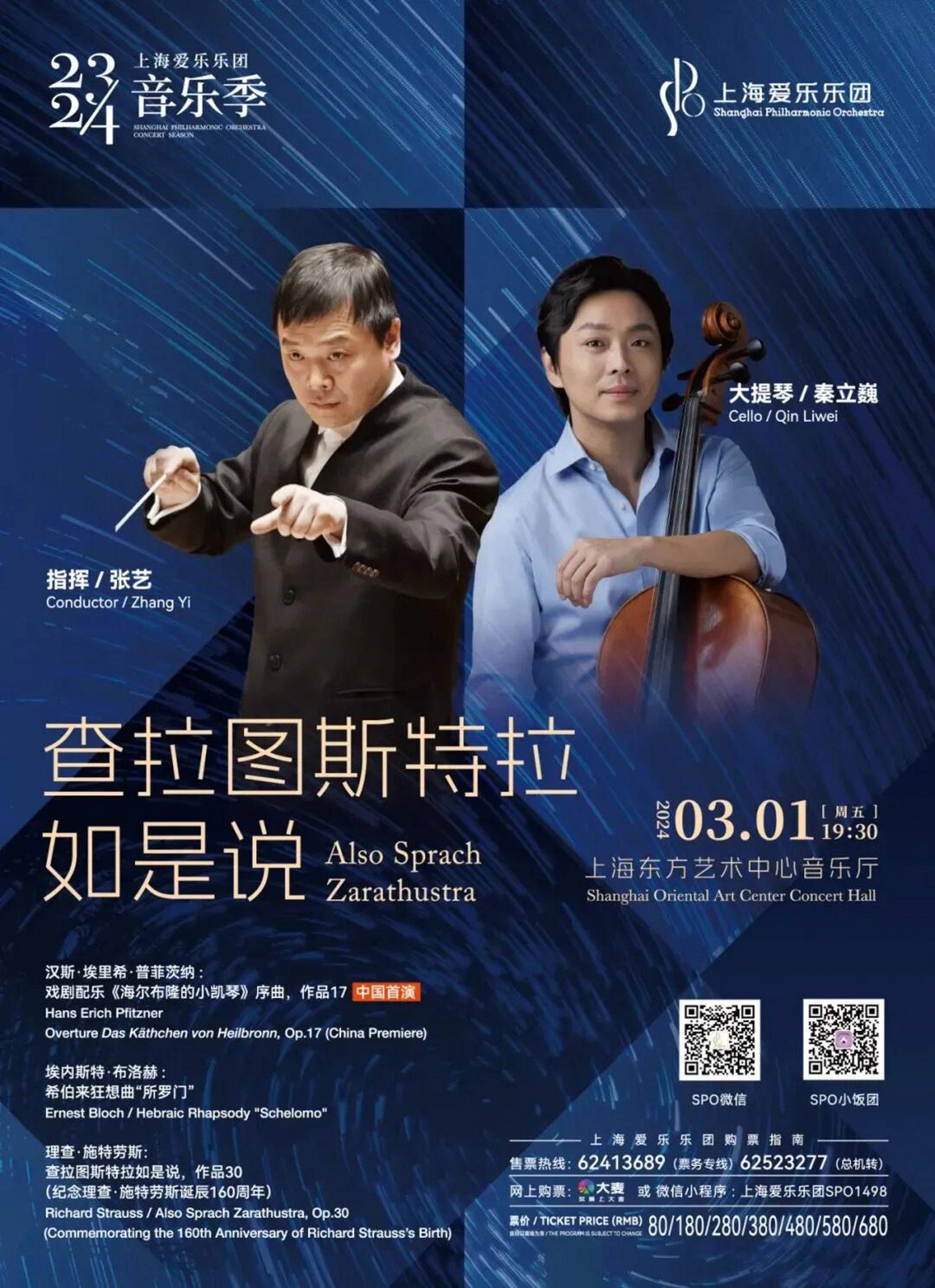
Bloch “Schelomo” — A Hebrew Rhapsody
Li-Wei Qin × Yi Zhang × Shanghai Philharmonic Orchestra
Shanghai Oriental Art Center · March 1, 2024 · 19:30
Overview
In this program of profound reflection and emotional grandeur, internationally acclaimed cellist Li-Wei Qin joins conductor Yi Zhang and the Shanghai Philharmonic Orchestra to present Ernest Bloch’s monumental Schelomo: Hebrew Rhapsody for Cello and Orchestra — a work that stands as one of the most deeply moving and spiritually charged compositions in the cello repertoire.
Bloch, a Swiss-born Jewish-American composer, is renowned for creating a distinctive musical language rooted in Jewish heritage and biblical imagery. Written in 1916, Schelomo (meaning “Solomon”) embodies both the wisdom and the lament of the ancient king — the solo cello as Solomon’s voice, and the orchestra as his world, his era, his struggles, and ultimately his hope.
As Bloch himself said:
“I had no special intention other than to embody the spiritual content of the Bible and the human soul’s distress. If one hears the cello as Solomon’s voice and the orchestra as his world and his experiences, that may well be true. Despite moments of anguish, the conclusion is filled with hope.”
The evening also features Hans Pfitzner’s rarely performed overture to Das Käthchen von Heilbronn — receiving its China premiere — and Richard Strauss’s majestic tone poem Also sprach Zarathustra, immortalized by its philosophical depth and cosmic sonority.
Program
About the Works
Ernest Bloch: “Schelomo” (Hebrew Rhapsody for Cello and Orchestra)
Bloch composed Schelomo in 1916 as part of his exploration of “Jewish soul” in music — an attempt to express the spiritual depth and tragedy of human existence through sound. The work, cast as a single continuous movement, unfolds as a dialogue between the solo cello (the voice of King Solomon) and the orchestra (the world around him).
The music blends modal inflections, impassioned recitative-like lines, and sweeping orchestral textures that evoke both biblical grandeur and personal introspection.
“Even if there are moments of despair,” Bloch wrote, “the conclusion radiates faith and light. Schelomo remains one of my most personal creations — born of inner conflict and spiritual yearning.”
Program
Hans Pfitzner (1869–1949)
Overture to Das Käthchen von Heilbronn, Op.17 — China Premiere
Ernest Bloch (1880–1959)
“Schelomo” — Hebrew Rhapsody for Cello and Orchestra
Richard Strauss (1864–1949)
Also sprach Zarathustra, Op.30
Artists
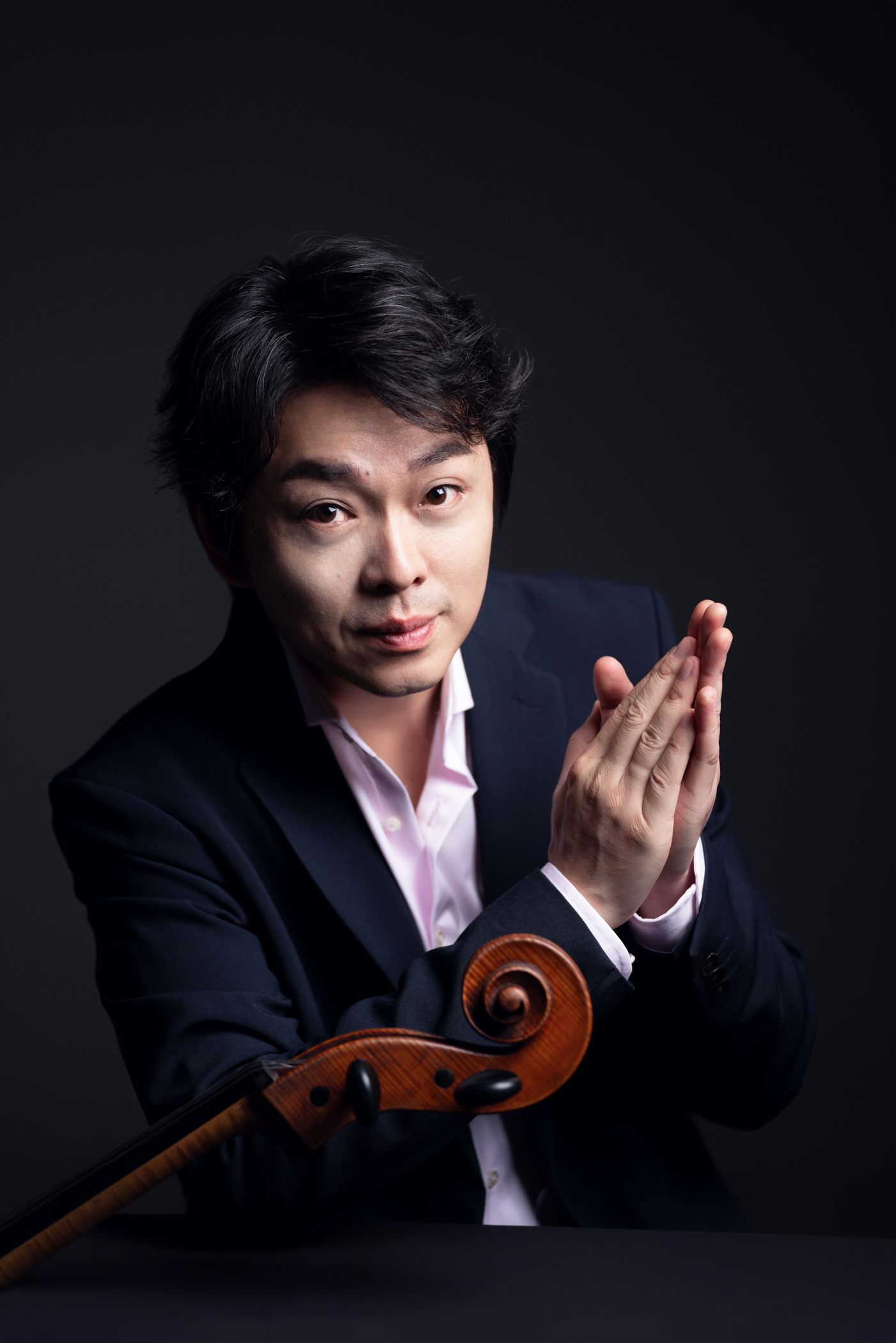
Li-Wei Qin — Cello
Praised by The New York Times for his “ravishingly beautiful tone, flawless intonation, and ironclad technique,” cellist Li-Wei Qin is one of the world’s foremost interpreters of both classical and contemporary repertoire. A laureate of the Tchaikovsky and Naumburg International Competitions, he has appeared with leading orchestras including the London Symphony, Los Angeles Philharmonic, BBC Symphony, and Berlin Radio Symphony, collaborating with conductors such as Ashkenazy, Yu Long, and Eschenbach.
Qin’s recordings on Decca, Universal, and Sony Classical — including Beethoven’s Complete Cello Sonatas, Rachmaninoff Works, and Elgar / Britten / Walton Concertos — have received international acclaim. He serves as Professor of Cello at the Yong Siew Toh Conservatory of Music, National University of Singapore.
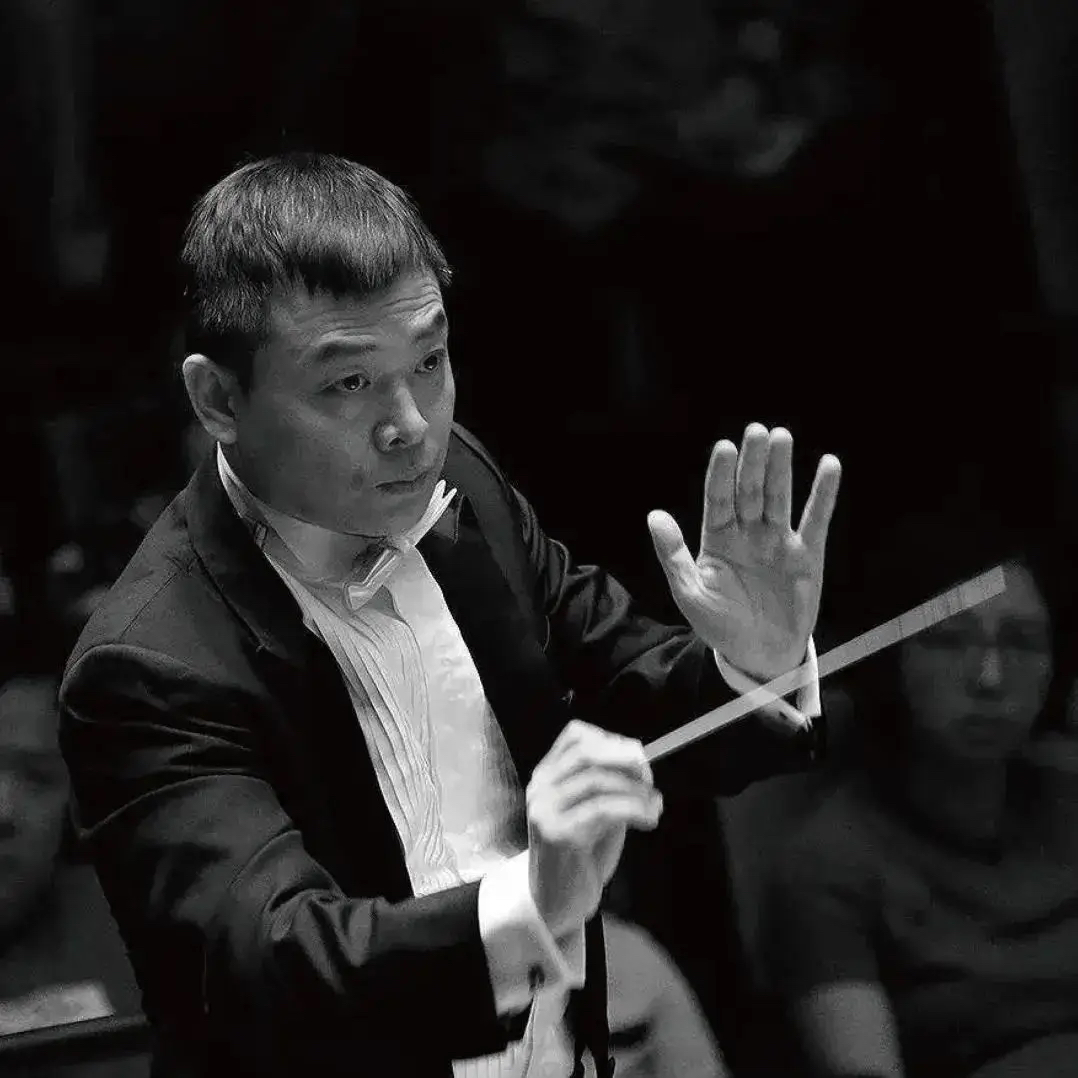
Yi Zhang — Conductor
One of China’s leading conductors, Yi Zhang is recognized for his versatility across symphonic, operatic, and contemporary repertoire. Currently Music Director of the Shanghai Philharmonic Orchestra, he has led major Chinese and international ensembles and is known for his precise technique and interpretive insight. Zhang has collaborated with many of the foremost Chinese soloists and composers, contributing significantly to the development of China’s symphonic scene.
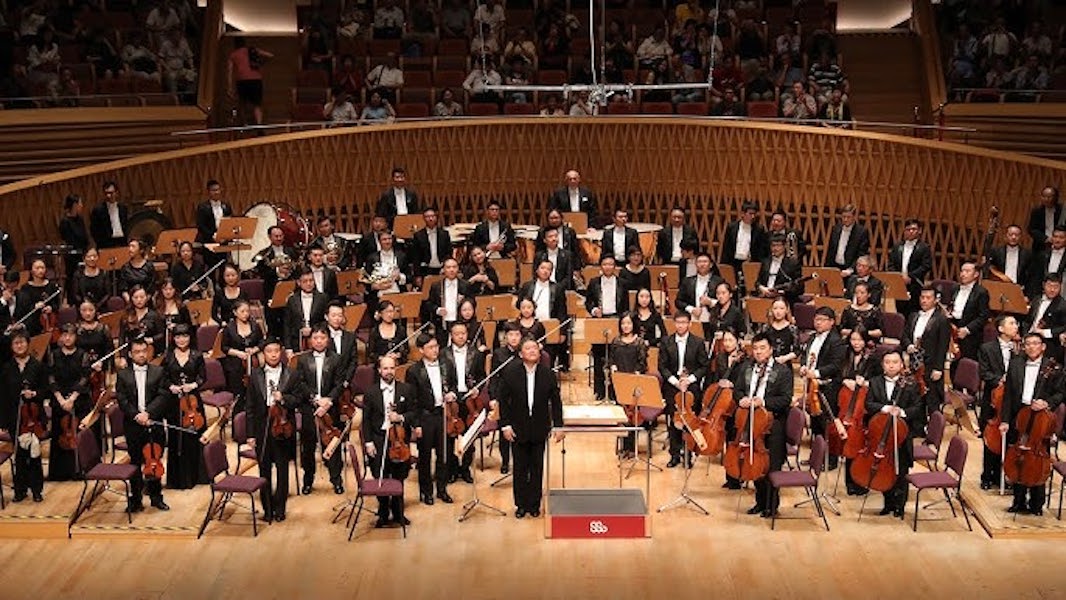
Shanghai Philharmonic Orchestra
Founded in 1996, the Shanghai Philharmonic Orchestra is one of China’s most dynamic symphonic ensembles, renowned for its broad repertoire and artistic excellence. The orchestra regularly collaborates with leading conductors and soloists and has performed at major festivals and concert halls across China and abroad. Its programming bridges Western masterworks and contemporary Chinese compositions, reflecting the evolving dialogue between tradition and innovation in Chinese classical music today.
Venue
Shanghai Oriental Art Center — Concert Hall
March 1, 2024 · 19:30